

Teaching Relief
The Society offers funding for limited teaching relief to support the completion of a research project (e.g. a monograph or journal article, grant application, etc.). This relief might, for example, enable a researcher to pay for a graduate teaching assistant to assist with seminars and marking. The amounts available are not large — we do not envisage making individual grants of more than £1,200. Normally only one application per person per year will be considered. The Society will take into account any previous successful applications when making a decision to fund. This scheme is open to academic staff (i.e. those appointed as either temporary or permanent lecturers on a full-time basis)
Applications for teaching relief should include:
- a CV
- a statement of the applicant’s teaching load
- a copy of the project thus far (e.g. the draft manuscript, draft grant application)
- a summary of the work required for completion
- an explanation of how the funds will be used. Applicants should consider whether, for example, it would be more effective to pay for teaching relief for all their seminars for a short period, thereby giving them a block of time for their research, rather than relief for one seminar over an entire term.
- A letter from the applicant’s department confirming the applicant’s teaching load and that arrangements will be made to substitute teaching in the manner the applicant describes.
N.B. The Society does not normally fund per diem (subsistence) but can consider requests for subsistence support in exceptional cases. Applications will be assessed following the submission deadlines: 01 January, 01 May, 01 September, 01 November. Usually a decision on applications will be provided within one month of the deadline. Please ensure you apply at the deadline most appropriate to the timing of the activity bearing in mind the timeline for a decision. It is not possible for out-of-cycle applications to be considered. Successful applicants should submit a report after the event/activity. Funds will be paid once the activity is complete and a report is provided.
SAP Annual Conference
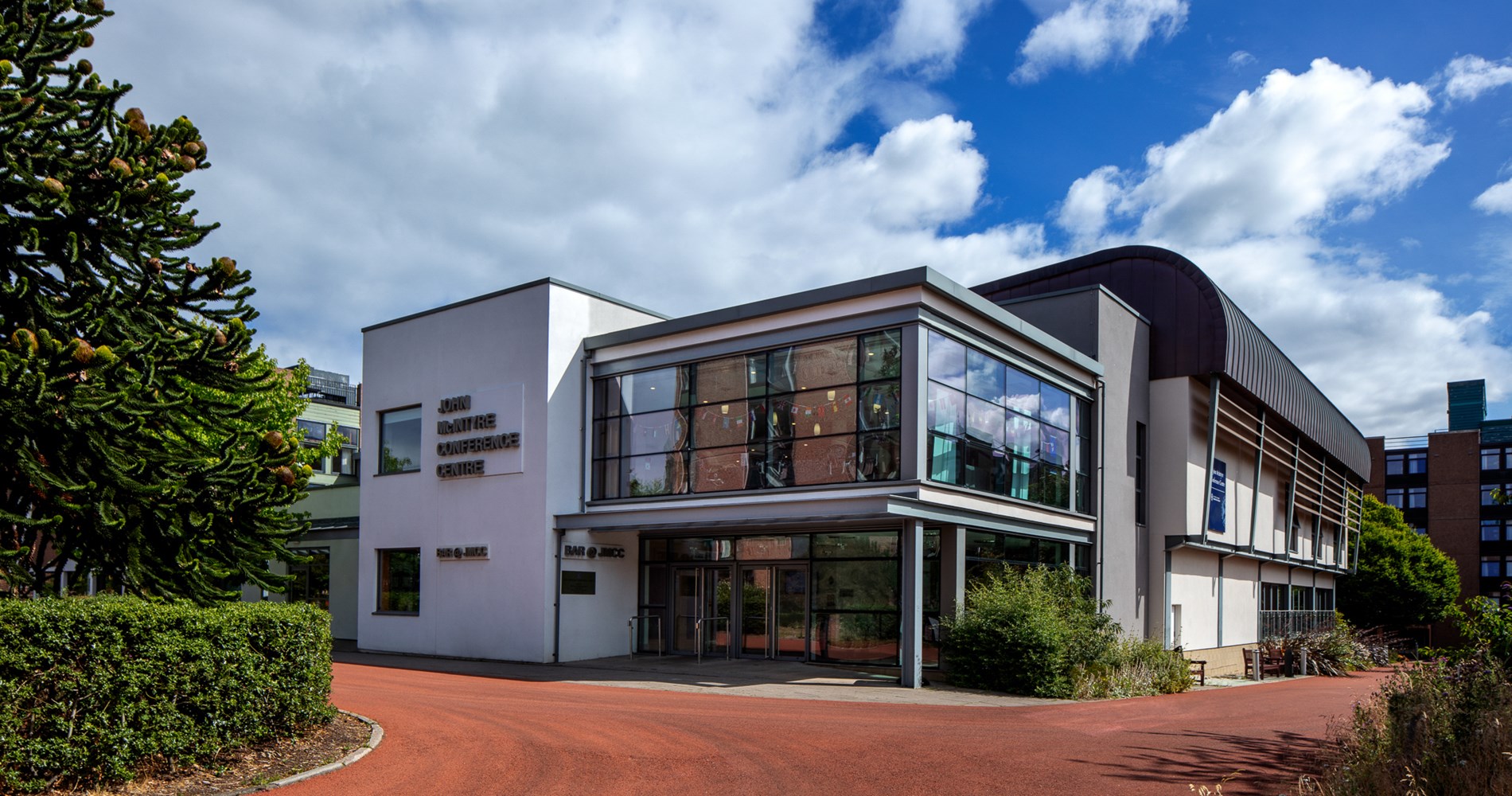
SAP Annual Conference 2026
03 – 05 July
University of Edinburgh, JMCC
Join the Society
Membership of the Society is open to anyone interested in our aims, whether or not you hold a philosophical qualification or are employed as a professional philosopher.
Membership includes online access to the Journal of Applied Philosophy, as well as a reduced fee for the Society’s annual conference. Members can also apply for event funding through the Society’s grant scheme.
Membership and journal subscription are handled by Wiley, as the publishers of the Journal of Applied Philosophy. The button will take you through to their website.
Latest News

SAP Annual Lecture 2025 — Society as a Common Possession: Membership and Solidarity in Diverse Societies, Will Kymlicka (Queen’s University)
Annual Lecture 2025: Society as a Common Possession: Membership and Solidarity in Diverse Societies, Professor Will Kymlicka (Queen’s University). The lecture will take place at 6.00 -7.00pm (UTC/GMT +0) on Wednesday 12 November at the Dickson Poon School of Law,

Funding Opportunities and Awards
The society is proud to support a range of activities in applied philosophy: • Event Funding of up to £3000. (Deadlines: 01 January, 01 May, 01 September.) • Doctoral Scholarships (up to £10,000 in year of award) – Awards are
Society for Applied Philosophy — Annual Conference 2026
The Society’s 2026 conference will take place at University of Edinburgh, JMCC. Papers will be given on a wide range of topics across the field of applied philosophy (Authors of papers selected for inclusion in the programme can confirm or
SAP sponsored event: How long is too long?: Waiting, age, and temporal justice in organ allocation
This event is an applied philosophy workshop addressing a pressing ethical challenge in healthcare resource allocation. How, if at all, should the time patients spend waiting for a scarce medical resource matter morally? And how does the ethical significance of waiting time vary depending on a patient’s age? These questions
SAP sponsored event: Care, consent and communication in childbirth
For many people, childbirth is among the most significant and vulnerable experiences of their lives. However, it is also one in which patient autonomy and epistemic agency is routinely compromised. Birth trauma, often stemming from poor consent practices and breakdowns in communication between patients and healthcare professionals (HCPs), is increasingly
[SAP Sponsored Event] Social AI workshop
The rise of Generative AI in recent years has, not surprisingly, been met with an outpouring of philosophical work. Such work covers all manner of philosophical inquiry, including asking whether AI is (or ever can be) conscious, how AI enhances and/or threatens our epistemic endeavours, and what the ethical implications